Internal Roof Inspection Edinburgh


To book: contact@roofinspectionedinburgh.com or Tel: 0131 510 3231


Professional atttc survey of roof internal structure, dampness and insulation for property owners.
Contact Us

Internal Roof Inspection Process


The internal roof space of property is often overlooked, responsible for keeping the balance between warmth inside and the cold outside. As the exterior stops the elements getting in, the interior structure must do the opposite by letting any moisture out. Decades of construction have seen an evolution how best to achieve this balance. Structural components, ventilation and insulation must work together. Our survey professionals have a tested review process and provide accurate reporting if your property is achieving this goal.
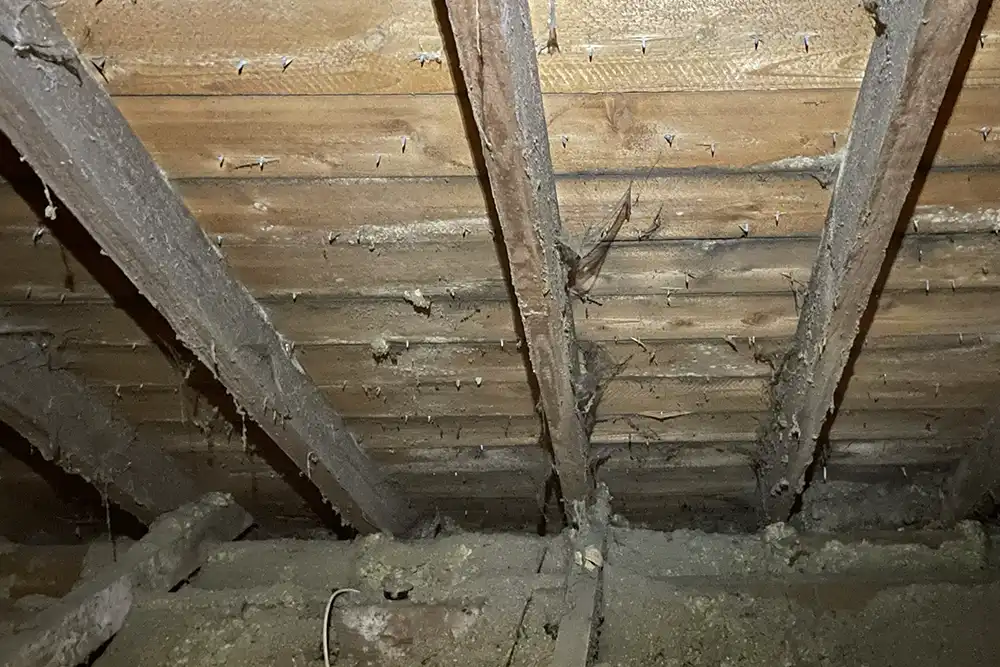
Internal roof inspection

Internal Roof Leaks


If the exterior of the roof has been compromised a leak will occur. The lower down the roof the problem occurs, the larger the feed of water will incur. Damp or wet boards suggest a problem but depending on the roof construction this may not be the location of the problem as water can flow over parts of the internal structure or even be drawn upwards by capillary action. Dampness may also originate within the property itself. When inspecting internal roof leaks we also consider external inspection information. Timber is inspected using a damp meter and readings are recorded.

Roof Structural Integrity


Domestic properties typically have pitched timber frame construction. For a simple two pitch roof a series of triangular shaped trusses are assembled along the length of the building. Rafters carry the exterior roof structure with different orientations of trusses, joists and ties holding the shape together. These are nailed together with individual nails or nail plates in more modern builds. Roof battens or decking is then nailed to the joists to support the exterior tiling. Variations then exist in the construction around dormers, hip, gables and general finishing. Structural modifications may have been made to accommodate loft bedrooms and additional roof windows. When inspecting structural integrity, we examine each truss in series looking for any deviation in its shape, splitting or rot. Corrosion in attachment to surrounding joists and ties is also checked. Any modifications are also reviewed.

Roof Dampness Problems


Too often the focus of roof inspections is on the external fabric of the roof. The exterior structure is solely responsible for keeping water out and guiding it to water gates, gutters and downpipes. The interior roof structure also has a very important job of allowing moisture to escape while avoiding formation of condensation. Condensation forms where warm moist air meets a cold surface. Where timers are damp this allows mould to get established. Ideally a modern roof has as little air flow as possible between the living space below and the loft. Soffit, roof and ridge vents allow a passage of air over the underside to prevent condensation.

The level of moisture in your home depends on internal ventilation such as passive wall vents, window vents, and active kitchen and bathroom extractors. Some homeowner find noise from these a nuisance and make a mistake by switching them off. Lifestyle also plays an important part such as the number of occupants, cooking habits and drying laundry. On average this adds up to around 2.5 litres per day. Our inspection reviews humidity levels in the home and loft, that roof vents are clear, and includes a review of ventilation and lifestyle inside the home.

Roof Insulation Testing


Insulation in a property is typically placed in the loft over ceilings, between joists. A quarter of all heat loss from a home is through the roof. UK building regulation recommended depth is 270mm which a majority of homes still do not meet. Roll out rock wool is most common. Other variants are blown loose fill insulation or insulation boards. This configuration forms a ‘cold loft’. Placing insulation between rafters forms a ‘warm loft’ which is less common. Spray foam can be used but is a hot topic of debate as it can lead to structural dampness and failure. Our inspection takes note of the current insulation method and included recommendations for improvement.

Roof Mold Growth & Infestation


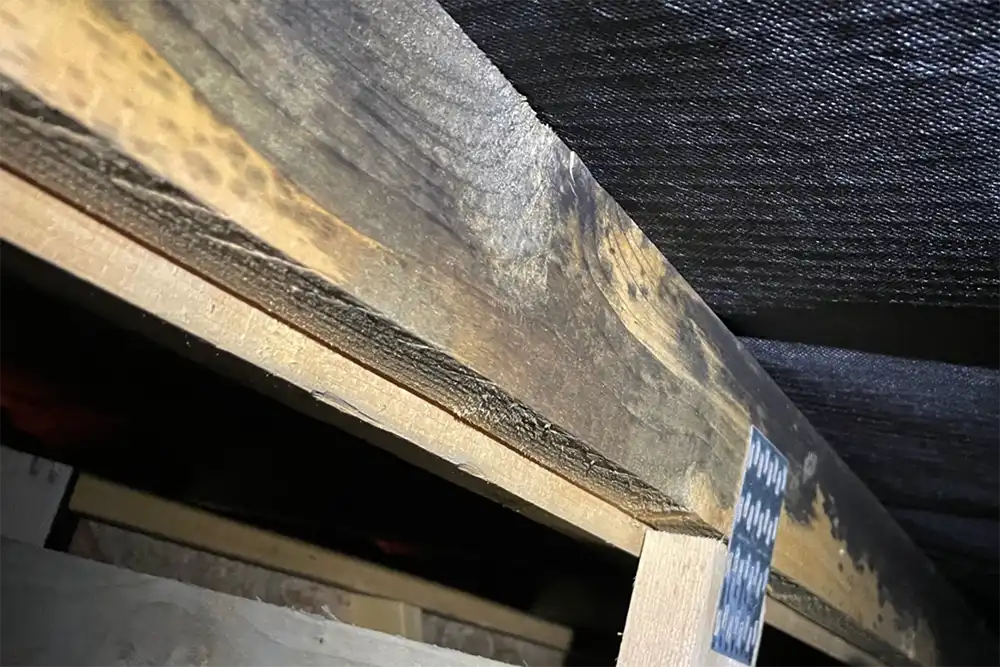
The most common issue we find due to moisture problems is mold growth. Black and white mold grow on damp timber. Black mold in particular is hazardous to health, it’s entirely possible for spores to travel into you home below. We have seen this on new properties under five years old where loft ventilation was incorrectly installed. As you live below unwelcome visitors may have taken up home in the loft. Rodents, birds and inspects such as wasps can make their way in through small holes. Bats can also use older properties to roost and are protected under UK law. Our inspection looks for signs of infestation and included recommendations to rectify any problems.

Attic black mold

Pricing


Visual Inspection

£79
  • Dampness tests
  • Image documentation
  • Reporting

Detailed Inspection

£149
  • Extensive dampness tests
  • Internal property review
  • Homeowner questionaire

Specialist

£CFP
  • Data logging
  • Mycelial testing
  • Thermography

Contact Us

5 South Charlotte Street, Edinburgh EH2 4AN

Phone: (0131 510 3231)